
We have been living with the reality of Covid-19 here in the US for just over 2 years. There are many memories that don’t have an exact date, they are simply referred to as “before the pandemic” or as occurring after March 2020.
Mask mandates have been dropped in many locations, including public schools. There are people who feel comfortable eating in restaurants or attending events. There are people who feel most comfortable continuing to social distance and wear masks in public. Some folks have circumstances that leave them fearful of the long-term effects of getting sick. Others are ready to forget about Covid-19 and “get back to normal.”
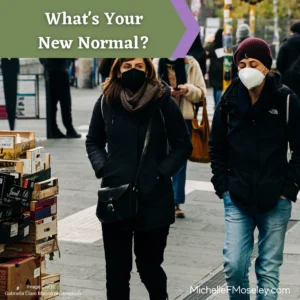
What is Normal?
Regardless of your personal beliefs and practices related to the pandemic, it is undeniable that this period of history has impacted us all. Many folks lost loved ones, and weren’t able to say goodbye due to restrictions. Weddings and other celebrations were postponed or reimagined. High schoolers missed out on typical coming-of-age events and daily socializing with friends. Young children learned to socialize in a time of social distancing.
Aspects of our society have been called into question in new ways during the past 2 years. No matter what your particular situation may look like as we move forward from 2020, none of us are returning to our pre-Covid normal.
What Feels Safe?
One question to ask yourself as you come out of a time of mandated restrictions and as people in your life may be making plans for gathering is “What feels safe to me?” Then, give yourself permission to hold that boundary.
Only you truly know your risk factors and the reasons for your precaution level. If you feel comfortable gathering with groups, being inside, and attending events, acknowledge that as your safety level. If you would prefer to social distance, keep gatherings outside, and wear masks, acknowledge that as your safety level.
For those whose boundaries include more precautions, communicate those boundaries clearly with others and accept that they do not have to agree or conform, and you do not have to change your boundaries. For those who feel safe with fewer precautions, acknowledge that not everyone feels the same and consider compromising in order to connect with those important to you.
Connecting With Others
Humans were created for connection and we thrive when we have healthy connection with other humans. As options for in-person events continue to open up, you may want to consider how your boundaries around what feels safe intersect with your desire to connect with others.
Maybe you feel safe eating inside a restaurant, but a loved one prefers to stay outside. Could you get takeout and eat at a park, or choose a restaurant that has a patio?
Maybe you want to check out a new store, but don’t feel safe shopping without a mask? Check in with yourself and see whether you feel comfortable wearing your own mask inside, even if others may not. Or perhaps the store has an online presence and you could view their items there.
Look for ways to connect with loved ones that allow options for everyone to feel safe and respected for their needs and choices. Seek out things that add some normalcy to your life, things that you would have done prior to March 2020 and that still feel feasible to do now.
Seeking Support
You may find yourself needing some support as we navigate ongoing changes in pandemic protocols. This could include finding a group of neighbors or friends who have similar safety boundaries as you, and focusing on ways ya’ll can support one another.
Support might also include speaking with a licensed mental health counselor about the weight of continuing to navigate a pandemic and the ripple effects for more than 2 years. If you’re in NC and feel that you might benefit from talking with a licensed mental health professional, I invite you to contact me, and we can determine the best way to get you the support you need.
Michelle F. Moseley (she/her) is a Licensed Clinical Mental Health Counselor in NC. She believes ALL people deserve respect, compassion, and access to mental and physical healthcare. Michelle specializes in working with survivors of religious trauma, and with those who have body image concerns, finding there is frequent overlap in these areas. She also frequently supports late-identified neurodivergent individuals as they navigate the grief and relief of a new understanding of self. You can learn more about Michelle by visiting her website at MichelleFMoseley.com or following her on Instagram – @therapy_with_michelle
Sign-up for Michelle’s Monthly Email Newsletter to make sure you never miss a blog post